How to choose the right Zoho implementation partner for your business?

Head of Marketing, Cirro · Ottawa, Canada
Why does one business see their team using Zoho six months later while another team watches their investment collect dust with zero returns?
It's rarely about the software itself. Zoho is powerful, flexible and can genuinely transform the way that you work. However, when the implementation does not resolve your challenges, your team logs in once, gets confused or frustrated and goes back to whatever tool they were using before. Simple tasks that should be automated continue to require manual work. Data sits in silos instead of flowing between your teams. And that CRM you were excited about? It just becomes another tool people avoid rather than rely on.
While you wrestle with an half implemented system, your competitors are moving faster, serving customers better and scaling with all their effective tools.
The difference usually comes down to one decision. How do you take a tool and implement it in a way that makes sense to your business? Who do you choose to do the implementation?
A good implementation partner doesn't just set up software. They take time to understand how your business works, configure Zoho to match your processes, train your team properly and stick around when questions come up. They have the ability to turn a generic platform into your competitive advantage.
A not-so-great implementation partner? They follow a template, rush through setup, hand you the login credentials and move on to the next client.
Here is what to look for in a partner that will set your business up for success.

Why Experience Actually Matters
Not all Zoho experience is created equal. Someone who has done fifty implementations isn't automatically better than someone who has done ten implementations and there are patterns to look out for.
Look for depth, not just years
A partner who has worked extensively with Zoho understands the various solutions, knows what features get actually used versus the ones that sound good on demos. They have seen enough implementations to anticipate problems before they happen and have learned what works and what doesn't.
More importantly, they should be able to understand your industry's specific challenges. A partner who has experience in Professional Services understands time tracking and project profitability. A partner that works with ecommerce businesses understands inventory and order management. This context means that they are not just configuring software and they can solve problems you haven't even articulated yet.
Check credentials but look beyond badges
Zoho partner status and product certifications matter. They show commitment and a baseline competency but dig deeper. Ask for references from businesses similar to yours. Look at the team's expertise and product knowledge to ensure that they can actually do what they say they can do.
Questions to ask your implementation partner
- How many implementations have you completed in my industry or with similar business models?
- Can you walk me through a recent project that had challenges similar to mine?
- How do you stay current with all of Zoho's updates and new features?
- What's your implementation methodology from discovery to launch?
Technical Skills That Deliver
A confident partner will welcome these questions. A defensive one should raise concerns.
Experience means nothing if your partner can't execute technically. Here's what separates capable implementations from great ones.
Customization that solves your specific problem
Every business operates differently and Zoho's flexibility is one of its biggest strengths. You need custom fields, automations and workflows that match your specific requirements. A technically skilled implementation partner can build this without over-complicating things. They know when to customize and when the standard features are exactly what you need.
Integration capabilities
While Zoho offers native tools for accounting, marketing and project management among others, we understand that you may have your preferred tools embedded in your workflow. Whether it is a specific communication platform or an industry specific tool, your Zoho system needs to fit seamlessly with it. If you are weighing Zoho against another platform, our Bigin vs Salesforce comparison walks through how small teams typically decide.
Data migration expertise
This is where implementation becomes challenging sometimes. Moving years of customer data, sales history and business records from your old system to Zoho without losing anything can be complex. A skilled implementation partner will have a clear process that involves data mapping (matching old fields to new ones), cleansing (fixing inconsistencies before migration), validation (confirming that everything is transferred) and testing protocols to catch issues.
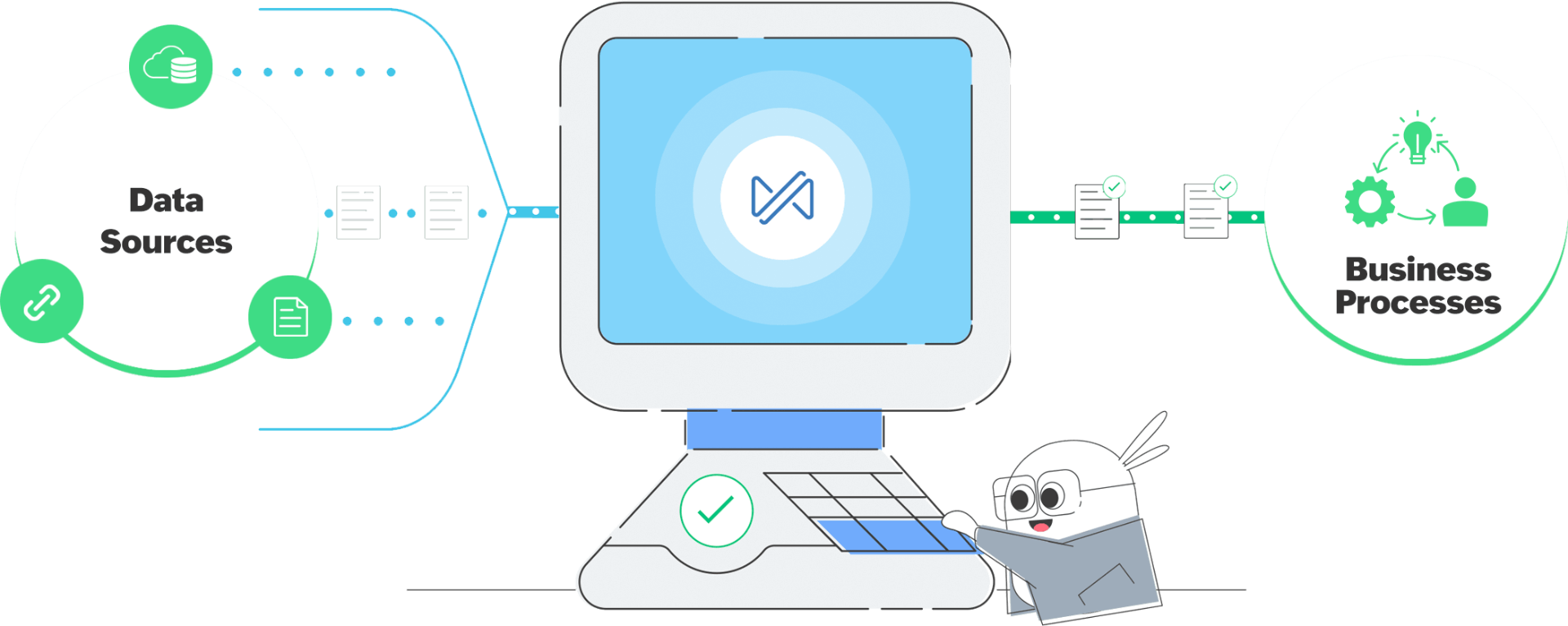
They should also have strategies to minimize downtime because your business can't stop while your data moves. Good partners know how to migrate in phases or during off hours.
Questions to ask your implementation partner
- Can you show me examples of customizations you have done for other clients?
- We have [X amount] of historical records across multiple systems. Walk me through your migration process.
- What happens if something goes wrong during migration? What's your plan?
- Have you integrated X or Y tools? How would you approach it?
If your implementation partner can't demonstrate technical depth in these conversations, keep looking.
Support, Training and True Partnership
It doesn't end at implementation. What happens after launch is often neglected but is almost as important as the implementation itself.
Structured support you can count on
You are introducing a new tool and processes, there will definitely be issues that come up. Team members can have questions, features that need adjusting or troubleshooting when something isn't working as expected. Your Zoho implementation partner should be able to provide you with clear support commitments. This includes pre-defined response times, multiple ways you can reach them (email, phone, support portal) and accessible team members who know your setup.
Comprehensive training that sticks
Your team needs to understand how to use the system and see the value it brings to their lives. A one-time demo will not do that for them. Good training includes hands-on sessions, clear documentation they can refer later and ideally recorded sessions for new hires. The best implementation partners don't just show you where the buttons are, they teach you why workflows are setup in a certain way so that your team can troubleshoot minor issues independently.
The partnership mindset
This is what separates great implementation partners from mediocre ones. A transactional relationship ends at go-live. A true partnership focuses on your long term success.
Partners with this mindset are proactive. They check in periodically to see how the adoption is going. They remain curious, think about scalability from the start and suggest improvements as your business grows. They are transparent about what's working and what isn't. Even if that means recommending changes to their own setup. Their communication style will be responsive and collaborative. They treat your success like their success.
Questions to ask your implementation partner
- Who is going to be my main point of contact for support? What happens when that person is unavailable?
- How quickly can I get a response for urgent questions vs routine queries?
- What does ongoing support look like after implementation?
- How do you handle training for team members we hire later?
Red Flags To Watch For
Sometimes what an implementation partner doesn't say is also worth noting. Here are some warning signals you need to keep an eye out for.

Unclear pricing or pressure tactics
If you can't get straightforward answers about costs, timelines or payment terms, walk away. Vague estimates and surprise charges for things like "additional customization" or reluctance to put down all the pricing in writing signal problems ahead. Similarly, any pressure to sign this week for a discount or claims about limited availability are sales techniques and not partnership behaviors. Good implementation partners provide clear payment terms, detailed scopes of work and give you time to make an informed decision.
Overpromising without proper discovery
A partner who is ready to build a solution without asking detailed questions about your business should raise immediate concerns. Realistic implementation partners know that discovery, customization, migration and training takes time. They document a clear project plan before any real work begins. They are also honest about Zoho's limitations and when something might require a workaround.
Lack of transparency about challenges
No implementation is going to be perfectly smooth. Implementation partners who can't discuss potential obstacles, past project difficulties or any limitations they have encountered aren't being honest. You want to work with someone who thinks through problems and not someone who pretends that they don't exist.
Questions to ask your implementation partner
- Can you share a detailed scope of work before we commit?
- What happens if we need additional customization later? How is that priced?
- What is a realistic timeline for a business like ours? What kind of delays do you anticipate?
Trust your instincts. If something feels off during evaluation, it rarely gets better during implementation.
The Decision That Matters
Choose a Zoho implementation partner who cares about your bottom line as much as you do.
Take your time with this decision. Ask the tough questions about technical capabilities, support structures and how they approach partnerships. Pay attention to how they respond when you push back or ask for specifics. The right partner welcomes scrutiny because they are confident about what they can deliver.
When you find a partner who combines technical expertise, responsive support and a true partnership mindset, your Zoho solution becomes a tool that makes your team more efficient, your processes smoother and your business more scalable.
The implementation partner you choose decides whether your Zoho implementation pays off or becomes an underused piece of software. Make it count.
Cirro is an official Zoho implementation partner founded by Zoho alumni. This means deep product expertise and an understanding of how to make it work for businesses.
If you are evaluating Zoho partners in Ottawa, reach out to us to run your sales, finance and operations on a connected system.
Related: Wondering how Zoho can impact your bottom line? Try our ROI Calculator to see potential cost savings and revenue gains for your business.